
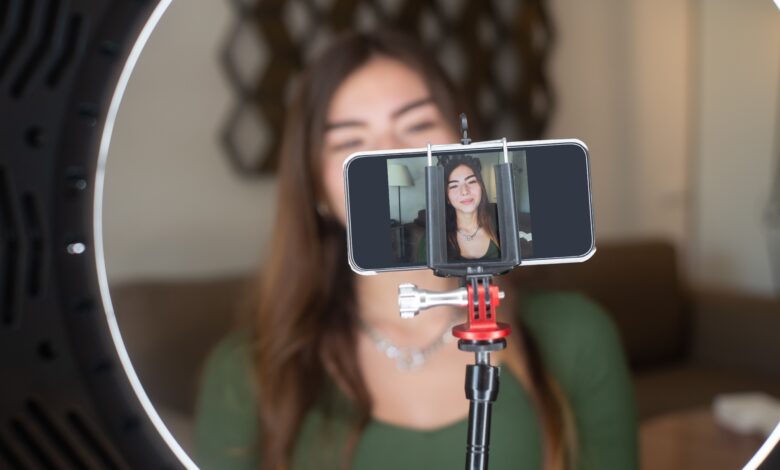
It’s no secret that pharma marketers want in on the massive audiences found on platforms like TikTok and Instagram. But partnering with influencers in the highly regulated pharmaceutical space is complicated. Right now, there isn’t a definitive FDA rulebook for influencer campaigns. That leaves marketers and their Medical, Legal, and Regulatory (MLR) teams operating in a frustrating legal gray area.
Every single campaign becomes a tightrope walk. You have to disclose relationships, clearly outline risks, and avoid overstating how well a drug works—all while letting the influencer maintain their authentic voice. Here is how to safely navigate the space, keep the regulatory teams happy, and build campaigns that actually resonate.
The Dos: Setting Up for Compliant Success
Bring MLR in on day one. The push-and-pull between creative marketers and compliance teams is practically an industry tradition. Marketers usually end up with a tiny window to pitch a fully baked concept, which causes friction.
Instead, build that relationship early. Draft a clear messaging document that explicitly outlines what the influencer cannot say. Share your creative concepts before a single frame of video is shot. Getting MLR buy-in early prevents endless reshoots and keeps everyone on the same page.
Think long-term. Treating an influencer campaign as a one-and-done transaction limits your return on investment.
Instead, nurture ongoing relationships. When you invest in a creator, they become a true brand ambassador. A loyalist who speaks about your brand naturally across multiple channels over time is infinitely more valuable than a single, isolated sponsored post.
Use the platforms’ compliance tools. Major social networks know pharma advertising brings in revenue, and they’ve built features specifically to help.
Platforms like TikTok, Instagram, and YouTube now offer specialized linking tools. Rather than just dropping a link to a general brand website, you can route users directly to prescribing information. It’s a simple, platform-native way to stay FTC-compliant while mitigating risk.
The Don’ts: Mistakes That Invite Scrutiny
Don’t chase fame over fit. Landing a massive celebrity might feel like a huge win, but it practically invites regulatory scrutiny. Regulators often argue that a massive star distracts consumers from the necessary risk information, or that audiences might overestimate a drug’s benefits simply because they trust the celebrity.
Instead, focus on micro-influencers or actual patients. Their lived, authentic experience with a condition builds a much more credible and engaged dialogue.
Don’t assume creators know the rules. Pharma regulations are dense and unforgiving. You can’t expect a TikTok creator to instinctively know the boundaries of medical advertising.
Take the time to train them. Develop easy-to-digest materials so they fully understand the promotional guardrails before they hit record.
Don’t treat social like a TV spot. The quickest way to fail is to treat an influencer partnership like a rigid, traditional ad campaign.
To actually work, the content has to be social-first. It needs to feel native to the platform and culturally relevant. The most successful campaigns find that sweet spot between a creator’s authentic story and your strict safety requirements.
The Bottom Line
Yes, the intersection of pharma marketing and influencer culture is full of regulatory hurdles. But it’s also an incredible opportunity to reach patients right where they already spend their time.
By focusing on authentic patient connections, partnering with your MLR team early, and letting creators make social-first content, you can safely navigate the gray area. Success here isn’t just about throwing budget at a big name—it’s about education, transparency, and building genuine trust with communities.
Source: Medical Marketing & Media | May 6 2026